


Beyond blame: using feedback to drive growth and vision


I’m currently in many sessions discussing individual employees and their performance in 2025.
Some of the people managers—some of them new to their leadership roles—don’t really know what to say, how to assess, or how to start difficult conversations. That’s normal. It takes some reflection and practice to give meaningful feedback.
Today, I would like to share some thoughts on the purpose of giving feedback.
We are all adults. We are responsible for our own lives.
Yet, leaders have the special task to set directions.
What do I mean by that?
Every individual brings different perspectives, strengths, and working styles to work. If letting them do their own thing, they might be creative, innovative, or brilliant—but maybe heading into very different directions. This can be helpful if you are in a creative business and the aim is to have different ideas and outcomes. If you need to follow some corporate structure with aligned objectives, however, the art is to strive for the same direction.
This being said, the aim of sharing feedback is to foster that path. Imagine a solid road: there can be tracks along or next to the main road, but they should always lead back to the road eventually. In other words, a leader can allow for individualism, but at some point, everyone needs to reach the same destination. For example, alignment for a Software Engineer might mean prioritizing code quality and documentation over sheer speed, ensuring their work supports the team's long-term maintenance standards.
So when giving feedback to an employee, there is only one goal: the employee’s personal growth and alignment with your road.
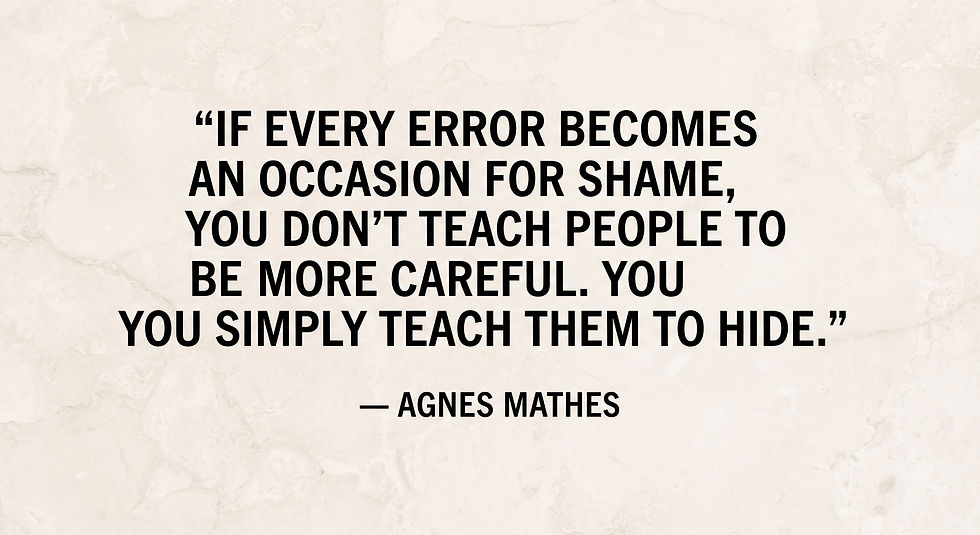
You are not their parent. You don’t want to destroy the human being. You don’t want to blame them for being different from you. All you want is that they are with you on the same road, heading towards the company’s vision. Remember to frame the conversation as a shared journey, not a verdict, to ensure the employee is receptive to the message.
I know how tough it can be to work on that same direction. If you feel stuck or hesitant and don’t know where to start, focus on a realistic outcome for next year. Try to design mini-steps (milestones) which each include some change in behavior but all of them lead to the person’s growth in their role. Ensure these steps focus on specific, observable behaviors—such as, "Bring three potential solutions to the team meeting before discussing the problem," rather than focusing on abstract personality traits.
Focus on the good, focus on improving, focus on growing.


Comments